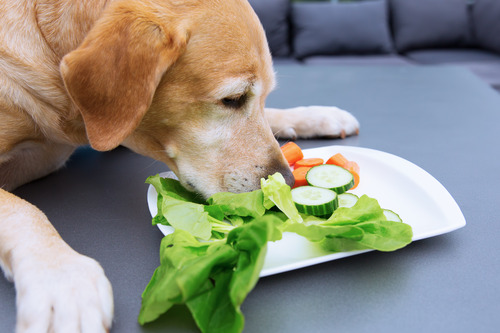
Dogs can enjoy many of the same vegetables people eat, but not all are safe or beneficial. If you’ve ever asked yourself, “what vegetables can dogs eat?” you’re not alone. The good news is that several vegetables provide valuable nutrients that support your dog’s health and make excellent low-calorie treats. However, it’s important to know which ones are safe before adding them to your dog’s diet.
A Fresh Take on Dog Nutrition
Many pet owners are exploring fresh and natural food options for their dogs, and vegetables are often part of that conversation. While dogs are primarily carnivores, they can digest certain plant-based foods that offer vitamins, minerals, and fiber. Knowing what vegetables dogs can eat helps you make smarter choices about their snacks and supplements. From crunchy carrots to leafy greens, let’s explore which vegetables are safe for your dog and which ones to avoid.
Safe Vegetables Dogs Can Eat
Several vegetables are safe and nutritious for dogs when offered in moderation. These can make great snacks or meal toppers, adding extra nutrients and variety to their daily diet.
Carrots
Carrots are one of the most popular vegetables dogs can eat. They’re packed with beta-carotene, which supports eye and skin health. Their crunchy texture also helps clean teeth and freshen breath. Raw or lightly steamed carrots are fine options, but cut them into small pieces to prevent choking.
Green Beans
Green beans are another excellent choice. They’re low in calories and high in fiber, making them ideal for dogs that need to manage their weight. Whether steamed or served raw, green beans can help your dog feel full without extra calories.
Sweet Potatoes
Sweet potatoes are rich in fiber, vitamin A, and antioxidants. They’re gentle on digestion and can support a healthy immune system. Always cook sweet potatoes before feeding them to your dog, as raw ones can be difficult to digest. Avoid adding butter, salt, or seasoning.
Broccoli
Broccoli offers vitamins C and K, along with fiber and calcium. While it’s safe in small quantities, too much broccoli can lead to gas or stomach upset due to compounds that affect the digestive tract. Lightly steaming broccoli helps make it easier to digest.
Peas
Green peas, snow peas, and sugar snap peas all provide protein, fiber, and essential nutrients. These small vegetables make excellent training treats or meal toppers. Frozen or fresh peas are best, but avoid canned peas because they often contain added sodium.
Leafy Greens That Are Safe for Dogs
Leafy vegetables can bring important nutrients to your dog’s diet, such as calcium, iron, and vitamins A and C.
Spinach
Spinach is nutrient-dense and offers antioxidants, but it should be given in small amounts. It contains oxalic acid, which can interfere with calcium absorption when eaten in excess. Occasional servings are fine and can add variety to your dog’s bowl.
Kale
Kale is another green full of vitamins A, C, and K. However, feed it sparingly, as large amounts can cause digestive upset. Lightly steaming kale before serving can make it easier on your dog’s stomach.
Lettuce
Lettuce, especially romaine and iceberg varieties, is mostly water and provides a refreshing, low-calorie snack. While it doesn’t offer as many nutrients as other greens, it can still be a hydrating treat for your dog.
Root and Stalk Vegetables Dogs Can Enjoy
Some root and stalk vegetables add texture and variety to a dog’s diet.
Celery
Celery is safe for dogs and supports hydration with its high water content. It also provides fiber and vitamin K. Its crunchy texture can freshen your dog’s breath, but be sure to chop it into bite-sized pieces.
Beets
Beets contain natural antioxidants and minerals such as manganese and folate. Cooked, plain beets can be a nutritious addition, but their strong color may cause temporary discoloration in urine or stool, which is something pet owners should be aware of.
Cucumbers
Cucumbers are low in calories and high in water, making them a great choice for hot days. They provide hydration and a satisfying crunch that many dogs enjoy. Avoid pickled cucumbers, which contain salt and vinegar that aren’t suitable for pets.
Vegetables Dogs Should Avoid
While many vegetables are safe, some are harmful and should never be given to dogs.
Onions and Garlic
Onions, garlic, leeks, and chives are part of the allium family and can damage a dog’s red blood cells, leading to anemia. Even small amounts can be dangerous over time, so it’s best to avoid them completely.
Mushrooms
Wild mushrooms can be toxic and lead to severe health problems. Only mushrooms sold in grocery stores are considered safe, but it’s still best to avoid them since not all dogs tolerate them well.
Avocado
Although technically a fruit, avocado is often grouped with vegetables. It contains a substance called persin, which can be harmful in large amounts. The pit and skin are especially unsafe, so avoid giving avocado to your dog.
Rhubarb
Rhubarb leaves contain oxalates that can interfere with calcium absorption and harm the kidneys. Even small amounts can cause discomfort, so this plant should be off-limits.
How to Prepare and Serve Vegetables for Your Dog
Once you know what vegetables dogs can eat, preparation is the next key step. Cooking methods matter, as some vegetables are easier to digest when steamed or boiled.
Raw vs. Cooked Vegetables
Some dogs prefer raw vegetables for their crunch, while others digest cooked ones better. Steaming helps soften fibrous veggies without removing too many nutrients. Avoid frying or adding oils, butter, or seasonings.
Portion Size and Frequency
Vegetables should make up no more than 10% of your dog’s daily calorie intake. Introduce one vegetable at a time and monitor for any digestive upset or allergies. If your dog tolerates a vegetable well, you can include it regularly in small portions.
Serving Ideas
You can mix finely chopped vegetables into your dog’s kibble, offer them as training treats, or use them in frozen snacks. For example, small carrot sticks or cucumber slices make refreshing rewards during summer walks.
The Benefits of Vegetables for Dogs
When included properly, vegetables can support your dog’s digestion, immune system, and weight management.
Improved Digestion
Fiber from vegetables like green beans and sweet potatoes helps maintain healthy bowel movements. This can reduce constipation and support overall digestive health.
Weight Control
Low-calorie vegetables make excellent treats for overweight dogs. Substituting vegetables for high-fat snacks can help manage weight while still keeping your dog satisfied.
Immune and Skin Health
Vegetables rich in vitamins A and C, such as carrots and broccoli, contribute to healthy skin, coat, and immune function. These nutrients also have antioxidant properties that help fight oxidative stress.
Choosing the Right Vegetables for Your Dog
Every dog has different tastes and sensitivities. When determining what vegetables can dogs eat, consider your pet’s age, size, and any existing dietary needs. Start with small servings and observe how your dog responds. If your dog has food allergies, digestive issues, or is on a special diet, it’s always best to discuss new foods with your veterinarian before making changes. The team at Chimacum Valley Veterinary Hospital can help guide you in choosing safe and nutritious foods for your pet. For more information about what vegetables can dogs eat or to discuss your dog’s nutritional needs, call (360) 385-4488 or book an appointment online today!