The best way to help a sneezing cat is to figure out why they’re sneezing in the first place because the answer shapes everything about what comes next. A cat sneezing after a whiff of dusty litter is a very different situation from one sneezing multiple times a day with discharge from their eyes and nose, and lumping them together means potentially missing something important. Cat sneezing has a surprisingly wide range of causes, from common viral infections to dental disease to foreign material lodged in the nasal passage. The more you understand about what’s behind those sneezes, the better equipped you’ll be to advocate for your cat’s health, so keep reading to learn what the symptoms mean, when a vet visit can’t wait, and what to expect when you bring your sneezing cat in for care.
Why Do Cats Sneeze?
Cat sneezing occurs when the nasal passages are irritated, prompting the body to expel air forcefully through the nose and mouth. Like humans, cats sneeze in response to both benign triggers (like dust or a strong smell) and more significant health issues (like respiratory infections or dental disease).
A single sneeze here and there is rarely cause for concern. Frequent sneezing, particularly when it’s accompanied by nasal discharge, eye discharge, lethargy, or loss of appetite, is a signal that something more may be going on.
Common Causes of Cat Sneezing
Upper Respiratory Infections
Often called “cat colds,” these infections are caused by viruses like feline herpesvirus and feline calicivirus, or by bacteria such as Chlamydophila felis or Bordetella bronchiseptica. A cat with a URI will typically sneeze frequently and may have clear, yellow, or green nasal discharge alongside watery or goopy eyes.
Upper respiratory infections are highly contagious between cats and are especially common in multi-cat households, shelters, or cats who go outdoors. Kittens and senior cats are most vulnerable.
Allergies and Environmental Irritants
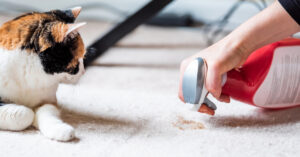
Just like people, cats can develop sensitivities to environmental allergens. A cat sneezing after you’ve changed laundry detergents, lit a candle, or applied a cleaning product may be reacting to airborne irritants. Common environmental triggers for cat sneezing include:
- Dust and dust mites
- Cigarette or fireplace smoke
- Perfumes, air fresheners, or scented candles
- Cleaning products or aerosol sprays
- Pollen and mold
Dental Disease
This one surprises many cat owners: dental disease, particularly infections involving the upper teeth, can cause sneezing in cats. The roots of the upper back teeth sit very close to the nasal passages. When infection develops in those roots, it can create a passage (called an oronasal fistula) that allows bacteria and debris into the nasal cavity, leading to chronic cat sneezing and discharge. If your sneezing cat also has bad breath, difficulty eating, or is pawing at their face, dental disease may be involved.
Nasal Polyps or Tumors
Growths in the nasal passages or throat can physically obstruct airflow and trigger chronic sneezing. Nasal polyps are benign, but they can cause significant discomfort and sneezing. Nasal tumors, while less common, are more serious and can cause progressive sneezing, nosebleeds, and facial deformity. Both warrant veterinary evaluation.
Foreign Bodies in the Nasal Passage
Cats, especially curious outdoor cats, occasionally inhale small debris like grass seeds or plant material. A foreign object lodged in the nasal passage will cause sudden, intense sneezing and often a nasal discharge from one nostril only. This can sometimes resolve on its own, but often requires veterinary intervention to remove the object safely.
What Does Cat Sneezing With Discharge Mean?
When a sneezing cat also has discharge from the nose or eyes, it generally indicates an active infection or inflammatory process. The color and consistency of the discharge can offer clues:
- Clear, watery discharge: Often associated with allergies, irritants, or early viral infection
- Yellow or green discharge: Suggests a bacterial infection or secondary bacterial complication of a viral URI
- Bloody discharge: Can indicate trauma, a foreign body, fungal infection, or, in older cats, a nasal tumor
Discharge from only one nostril tends to point toward a localized issue such as a foreign body, tooth root abscess, or nasal polyp rather than a systemic infection.
When Should You Take a Sneezing Cat to the Vet?
While a brief bout of sneezing after exposure to dust or a new scent doesn’t typically require a vet visit, there are clear signs that your cat needs professional care.
Schedule a veterinary appointment if your cat:
- Has been sneezing frequently for more than a few days
- Has nasal or eye discharge, especially if it’s yellow, green, or bloody
- Is showing signs of lethargy, reduced appetite, or weight loss
- Is having difficulty breathing or breathing through their mouth
- Has swelling around the face or nose
- Is a kitten, senior cat, or immunocompromised cat with any sneezing
Our team at Chimacum Valley Veterinary Hospital in Port Hadlock, WA sees sneezing cats regularly and can help determine whether your cat needs treatment and what kind.
How Is Cat Sneezing Diagnosed?
Your veterinarian will begin with a physical exam and a thorough history. Because many causes of cat sneezing have overlapping symptoms, additional diagnostics are often needed to identify the root cause.
Diagnostic tools may include:
- Nasal swabs or PCR testing: To identify specific viral or bacterial pathogens causing a URI
- Dental exam and X-rays: To assess for tooth root infection or oronasal involvement
- Rhinoscopy: A small camera used to visualize inside the nasal passages
- Blood and urine tests: To evaluate overall health and immune function
- Imaging: To assess nasal passage structure and identify masses or foreign bodies
What to Tell Your Vet
When you bring your cat in for sneezing, the more information you can provide, the better. Be ready to share:
- When the sneezing started and how frequently it’s occurring
- Whether the discharge is from one or both nostrils
- Any recent changes at home (new pets, new products, renovation)
- Your cat’s vaccination history
- Whether your cat goes outdoors or has contact with other cats
Supporting Your Sneezing Cat at Home
While home treatment isn’t a substitute for veterinary care, there are ways to make a sneezing cat more comfortable while you wait for your appointment. Keeping the environment free of strong scents and irritants, maintaining a warm and humid environment, and gently wiping away nasal or eye discharge with a soft, damp cloth can all help your cat feel more at ease.
A Clear Path to Answers for Your Sneezing Cat
Cat sneezing is one of the most common concerns veterinarians hear about and one of the most treatable, once the cause is identified. Whether your cat is dealing with a viral URI, a dental issue, or a nasal irritant, our experienced team at Chimacum Valley Veterinary Hospital is here to help. Don’t let your cat suffer through persistent sneezing. Call our Port Hadlock, WA clinic at (360) 385-4488 or book an appointment online today.