Most dog owners accept a certain level of “dog breath” as just part of life with a canine companion. But if your dog’s breath has crossed the line from mildly unpleasant to genuinely foul, that odor may be telling you something important. Bad breath in dogs isn’t just a social inconvenience. It can be a sign of serious dental disease, systemic illness, or other health conditions that deserve professional attention.
What Causes Bad Breath in Dogs?
The most common cause of bad breath in dogs is periodontal disease, which is a progressive infection of the gums, teeth, and supporting bone that affects the majority of dogs over the age of three. When bacteria accumulate in the mouth and are not removed through regular dental care, they form plaque. Plaque hardens into tartar, which harbors more bacteria, causes gum inflammation, and ultimately leads to the infection and tissue destruction characteristic of periodontal disease. The result? A persistent, unpleasant odor that no amount of dog treats or dental chews will fully mask.
What Does Normal Dog Breath Smell Like?
Healthy dog breath isn’t exactly fresh mint, but it shouldn’t be offensive. A mild, slightly warm smell after a meal is normal. What isn’t normal is breath that smells strongly rotten, fishy, excessively sweet, or like ammonia. These distinct odors can actually point to specific underlying issues.
What Your Dog’s Bad Breath Might Be Telling You
Periodontal Disease
Bad breath caused by periodontal disease typically has a distinctly rotten or foul smell, or the result of bacterial activity and dying tissue. Along with dog bad breath, signs of periodontal disease include:
- Yellow, brown, or gray tartar buildup on the teeth
- Red, swollen, or bleeding gums
- Loose or missing teeth
- Difficulty chewing, dropping food, or favoring one side of the mouth
- Pawing at the face or reluctance to have the mouth touched
Periodontal disease is painful, and by the time bad breath is noticeable to owners, the disease has often been progressing silently for some time.
Diabetes
Breath that smells unusually sweet or fruity in a dog can be a warning sign of diabetes mellitus. This distinctive smell comes from ketones, which are byproducts of fat metabolism that accumulate when the body can’t properly regulate blood sugar. Diabetic ketoacidosis is a serious, life-threatening condition. If your dog’s breath suddenly smells sweet or fruity, contact your veterinarian promptly.
Kidney Disease
Bad breath in dogs that smells like ammonia or urine is a classic sign of kidney disease. When the kidneys aren’t filtering waste products efficiently, those compounds including urea, accumulate in the bloodstream and are expelled through the breath. This type of bad breath in dogs is sometimes described as smelling like chemicals or a dirty fish tank.
Liver Disease
Dogs with liver disease may have breath with a musty or feculent odor that is sometimes described as smelling like a dead animal. Liver disease can also cause yellowing of the eyes or gums (jaundice), vomiting, and changes in appetite.
Oral Growths or Foreign Bodies
Tumors, cysts, or foreign objects in the mouth can trap food and bacteria, creating pockets of infection that produce a powerful odor. If you notice a lump, growth, or unusual tissue in your dog’s mouth alongside bad breath, this warrants immediate veterinary evaluation.
How Dental Disease Affects More Than Just the Mouth
Many dog owners are surprised to learn that dental disease has consequences well beyond bad breath. When bacteria from an infected mouth enter the bloodstream, they can travel to and damage major organs including the heart, kidneys, and liver. Studies have linked advanced periodontal disease in dogs to an increased risk of heart disease, in particular.
This is why our team at Chimacum Valley Veterinary Hospital emphasizes oral health as a cornerstone of overall wellness care. Treating bad breath in dogs isn’t just about making them more pleasant to be around. It’s about protecting their long-term health.
How Is Dog Bad Breath Diagnosed?
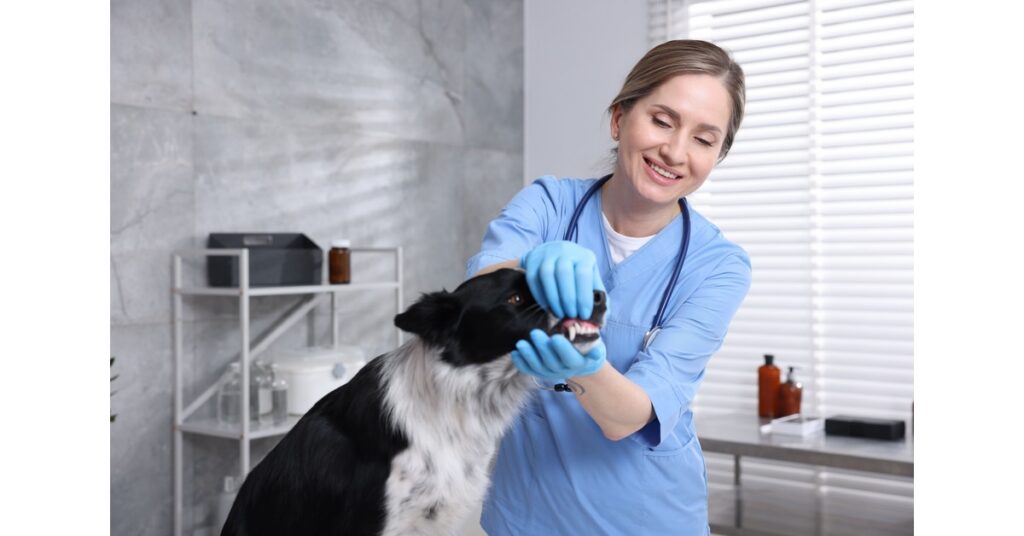
When you visit Chimacum Valley Veterinary Hospital with concerns about your dog’s bad breath, your veterinarian will perform a thorough oral examination as part of a complete physical. This exam assesses:
- The degree of plaque and tartar accumulation
- Gum health and signs of periodontal disease
- The presence of loose, cracked, or infected teeth
- Any abnormal growths or lesions in the mouth
If the examination raises concerns about systemic disease, particularly if your dog’s bad breath has an unusual odor like sweetness, ammonia, or something chemical, bloodwork, urinalysis, and other diagnostics may be recommended to evaluate organ function.
What Happens During a Professional Dental Cleaning?
A professional veterinary dental cleaning at Chimacum Valley Veterinary Hospital can help address dental disease and its associated bad breath. Unlike brushing at home, a professional dental cleaning involves:
- General anesthesia to allow for a safe, thorough examination and cleaning
- Scaling to remove plaque and tartar above and below the gum line
- Polishing to smooth tooth surfaces
- Dental X-rays to evaluate tooth roots and bone below the gum line
- Extraction of teeth that are too diseased to save
Our veterinarians at Chimacum Valley Veterinary Hospital perform professional dental cleanings with patient safety and comfort as the top priority.
Supporting Your Dog’s Oral Health Between Cleanings
While professional dental care is essential, there’s a great deal dog owners can do to maintain their dog’s oral health between veterinary visits. Your veterinarian can recommend the best home care options for your individual dog, which may include:
- Daily toothbrushing with a dog-safe toothpaste
- Dental chews or diets that carry the Veterinary Oral Health Council (VOHC) seal
- Water additives or oral rinses approved for veterinary use
- Regular veterinary checkups to monitor dental health and catch problems early
Dog Bad Breath Is a Health Issue Worth Taking Seriously
That persistent odor coming from your dog’s mouth isn’t something to just put up with. Bad breath in dogs is one of the most reliable signs that something in their health needs attention, whether it’s routine dental disease or a systemic condition that’s gone undetected. Our team at Chimacum Valley Veterinary Hospital in Port Hadlock, WA is here to help you address dog bad breath at its source and keep your dog’s smile and their health in great shape. Call us at (360) 385-4488 or book an appointment online today!