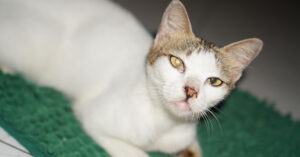
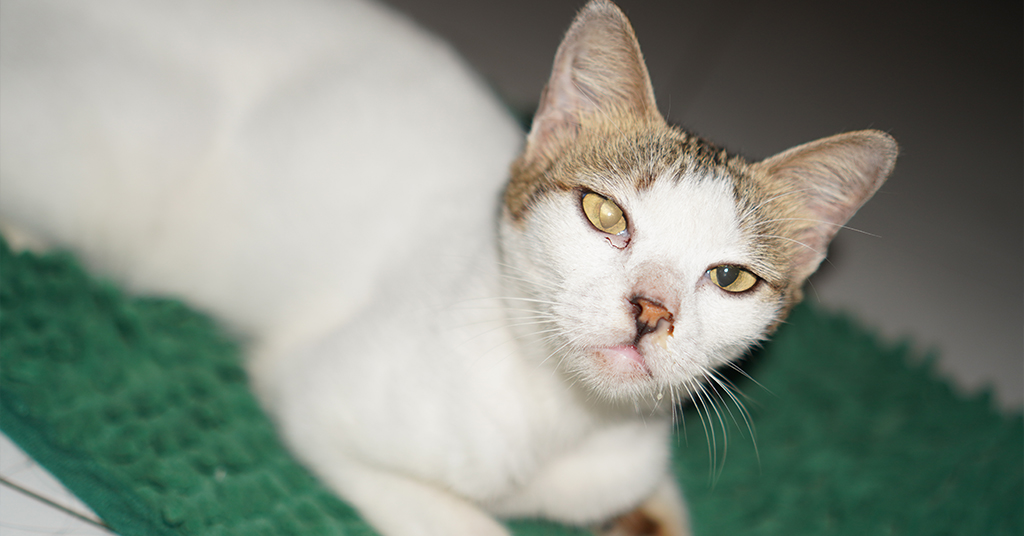
Cat drooling is normal when it happens during moments of deep contentment, such as purring, kneading, or being petted, and it stops once your cat relaxes or moves on. Cat drooling is abnormal when it starts suddenly, continues for hours or days, or comes with signs like bad breath, pawing at the mouth, blood, or a change in appetite. Unlike dogs, most cats drool very little, so a damp chin or wet spot on the blanket can catch owners by surprise. Sometimes it simply means your cat is blissfully happy. Other times, it points to dental disease, an injury in the mouth, nausea, or exposure to something toxic. At Chimacum Valley Veterinary Hospital in Port Hadlock, our Cat Friendly Certified team helps owners sort out which kind of cat drooling they are seeing. This guide walks through the harmless reasons, the warning signs, the health problems that may be hiding behind the drool, and how to protect your cat’s mouth for years to come.
When Is Cat Drooling Simply Sweet?
Not every bit of cat drooling signals a problem. In many cats, a little drool is simply a sign of comfort and trust.
Happy Drooling During Purring and Kneading
Some cats drool while curled up in a lap, purring loudly and kneading with their paws. Many experts link this behavior to kittenhood, when nursing kittens knead their mother and anticipate milk. As adults, a few cats carry that relaxed, nursing-like response into moments of affection. This type of cat drooling tends to happen in the same situations each time, usually during petting or snuggling, and it fades when the cuddle session ends. If your cat eats well, has fresh breath, and acts like their usual self, happy drooling is nothing to worry about.
Short-Lived Drooling From Stress or Taste
Brief cat drooling can also follow a stressful event, like a car ride, a trip to the groomer, or a visit to a new place. Fear and motion sickness can both trigger a temporary flow of saliva. This kind of cat drooling usually comes with other stress signals, such as dilated pupils, flattened ears, or vocalizing in the carrier. Many cats also foam or drool after tasting something bitter, including some oral medications, which is a natural reaction to an unpleasant flavor. In these cases, drooling should stop within a short time once the stress passes or the taste fades. If the cat drooling lingers, returns often, or seems excessive, it is worth a call to your veterinarian.
Cat Drooling Situations That Deserve a Second Look
The context around cat drooling often tells you more than the drool itself. Paying attention to timing, behavior, and other symptoms helps you decide whether to watch or act.
Signs That Point Toward a Problem
Contact your veterinarian if cat drooling comes with any of the following:
- Sudden onset in a cat that has never drooled before
- Drooling that lasts more than a few hours or keeps coming back
- Blood-tinged, thick, or foul-smelling saliva
- Pawing at the mouth or rubbing the face on furniture
- Dropping food, chewing on one side, or refusing to eat
- Swelling of the face, jaw, or neck
- Vomiting, lethargy, or hiding
- A matted, wet, or unkempt chin and chest from constant moisture
Is It Normal or Not? A Quick Way to Think About It
Think of normal cat drooling as predictable and tied to happy moments. Abnormal drooling tends to be new, persistent, or connected to discomfort. A cat who drools only while purring on your lap is likely fine, while a cat who drools at the food bowl, avoids being touched near the face, or seems withdrawn may be in pain. Because cats instinctively hide discomfort, cat drooling is sometimes one of the few visible clues that something hurts. Keeping a short log of when the drooling happens, what your cat was doing, and any changes in appetite gives your veterinarian useful details to work with. Never try to open your cat’s mouth forcefully or remove anything you see inside, since that can cause injury to both of you. Instead, note what you observe and let your veterinarian handle the exam.
Hidden Health Concerns Behind Cat Drooling
When cat drooling is not tied to contentment, an underlying health issue is often responsible. Many of these problems begin in the mouth, but some involve other parts of the body. Pain, nausea, and difficulty swallowing are the three main reasons saliva builds up and spills over.
Common Medical Causes
Veterinarians often find one of these conditions behind abnormal cat drooling:
- Dental disease, including gum inflammation, infection, and tartar buildup
- Tooth resorption, a painful condition in which the tooth structure breaks down
- Stomatitis, a severe inflammation of the mouth’s tissues
- Oral injuries or foreign objects, such as string caught under the tongue
- Oral tumors, which are more common in older cats
- Upper respiratory infections that cause mouth ulcers
- Nausea linked to kidney disease, liver disease, or digestive upset
Toxins and Emergencies
Some cases of cat drooling require urgent care. Licking or chewing toxic plants, household cleaners, liquid potpourri, essential oils, or certain flea products meant for dogs can cause heavy drooling, mouth burns, and serious illness. Lilies are especially dangerous to cats, and even small exposures, such as pollen brushed onto fur and licked off during grooming, can damage the kidneys. Heatstroke and some neurological conditions can also cause cat drooling, although these are less common. If your cat drools heavily along with trembling, difficulty breathing, collapse, or known exposure to a toxic substance, contact your veterinarian or an emergency clinic immediately. Bring the product packaging or a photo of the plant if you can.
Supporting Your Cat’s Oral and Overall Health
Many health problems behind cat drooling, especially dental conditions, are easier to manage when caught early. A proactive approach protects your cat’s comfort and helps you notice changes sooner.
Routine Dental and Wellness Care
Most cats show signs of dental disease by middle age, often without obvious symptoms. In many households, cat drooling is the first hint that a tooth or gum problem has been developing quietly for months. Regular wellness exams allow your veterinarian to check teeth, gums, and oral tissues for early trouble. Your vet may also look for red gum lines, broken teeth, or areas your cat flinches when touched. When needed, professional dental cleanings under anesthesia, along with dental X-rays, reveal problems below the gumline that cannot be seen during an awake exam. The team at Chimacum Valley Veterinary Hospital provides comprehensive dental care in a Cat Friendly and Fear Free environment designed to reduce stress for feline patients.
Everyday Habits That Make a Difference
A few simple practices at home can lower the risk of drooling-related problems:
- Ask your veterinarian which home dental care options suit your cat
- Keep lilies and other toxic plants out of your home entirely
- Store cleaners, essential oils, and medications out of reach
- Use only flea and tick products labeled for cats
- Put away string, ribbon, and hair ties after use
- Watch for changes in eating habits, breath, or grooming
Older cats benefit from more frequent checkups, and a new case of cat drooling in a senior should never be dismissed as just aging, since conditions like kidney disease and oral tumors become more common with age.
When to Call Your Port Hadlock Vet About Cat Drooling
A little cat drooling during a cozy purring session is usually just a sign of affection. Drooling that appears suddenly, lingers, or comes with pain, appetite changes, or unusual behavior deserves a professional look, since cats are skilled at hiding discomfort until a problem has progressed. Early attention to abnormal cat drooling often means simpler care and a quicker return to comfort. Chimacum Valley Veterinary Hospital welcomes cats and their families from Port Hadlock, Chimacum, Port Townsend, and nearby Olympic Peninsula communities. Our team can examine your cat’s mouth, look for underlying causes, and recommend a plan tailored to your feline friend. If you have noticed changes in your cat’s drooling or eating, call us at (360) 385-4488 to schedule an appointment.