Dog dehydration happens when your dog loses more fluid than they take in, leaving too little water for the body’s organs to work properly. Common causes include vomiting, diarrhea, heat, intense exercise, and illnesses such as kidney disease or diabetes. Mild cases may be easy to miss, but severe dog dehydration can quickly become a medical emergency. Water makes up roughly 60 to 70 percent of an adult dog’s body weight, and it plays a part in nearly every process that keeps your pup alive and active. Even a modest drop in fluid levels can affect energy, circulation, and digestion. At Chimacum Valley Veterinary Hospital in Port Hadlock, we help dog owners recognize the early signs of fluid loss and respond before a small problem turns into a serious one. This guide explains how dog dehydration affects the body, what causes it, how to spot it, and how to lower your dog’s risk year-round.
How Does Dehydration Affect a Dog’s Body?
Water supports nearly every system in your dog’s body, so dog dehydration has effects that reach well beyond thirst. Understanding what happens inside helps explain why fluid loss deserves prompt attention.
Why Fluids Matter
Fluids carry oxygen and nutrients to cells, cushion joints, aid digestion, flush waste through the kidneys, and help regulate body temperature. Dogs cool themselves mainly by panting, which releases moisture with every breath. When fluid levels drop, the body has less water available for cooling, and the risk of overheating climbs. This is one reason dog dehydration and heatstroke so often go hand in hand on hot days.
Water also works alongside electrolytes, minerals such as sodium, potassium, and chloride that help nerves and muscles function. Dog dehydration often involves losing these electrolytes too, especially when vomiting or diarrhea is the cause. That imbalance can contribute to weakness, muscle problems, and changes in heart rhythm.
What Happens as Fluid Loss Progresses
In the early stages, the body tries to conserve water by producing less urine and pulling fluid from tissues. As dog dehydration worsens, blood volume falls, circulation slows, and organs like the kidneys receive less blood flow. Severe cases can lead to shock, organ damage, and life-threatening complications. Puppies, senior dogs, small breeds, and dogs with chronic illnesses have smaller reserves and can decline faster than healthy adults. For these pets, dog dehydration can shift from mild to serious within hours rather than days.
Common Causes of Dog Dehydration
Dog dehydration rarely appears out of nowhere. It usually develops because your dog is losing extra fluid, not taking in enough, or both.
Everyday Causes
Some causes are tied to daily life and the environment:
- Hot weather, humid days, or time in a warm car
- Long hikes, beach days, fetch sessions, or other strenuous exercise
- A tipped-over, empty, or dirty water bowl
- Travel, boarding, or stress that makes a dog drink less
- Switching from canned food to dry kibble, which contains far less moisture
These factors often stack together, and that combination is when dog dehydration becomes most likely. Even in the mild Pacific Northwest climate, summer heat waves and long trail days around the Olympic Peninsula can catch active dogs off guard.
Medical Causes
Many health problems can lead to dog dehydration. Vomiting and diarrhea are among the most frequent culprits, since they drain fluid and electrolytes quickly. Fever increases fluid needs, while conditions such as kidney disease, diabetes, Addison’s disease, and certain hormone disorders change how the body handles water. Some medications, including diuretics, also raise fluid loss. Illness can reduce appetite and thirst at the same time, creating a double hit. A dog who refuses water while also vomiting is losing fluid from both directions, which is why dog dehydration from stomach upsets can escalate quickly. When dog dehydration has no obvious explanation like heat or exercise, an underlying medical issue is often involved.
Signs Your Dog May Be Dehydrated
Spotting dog dehydration early gives your veterinarian the best chance to correct it quickly. Some signs are subtle, so it helps to know what normal looks like for your own dog. Take a moment during calm, healthy days to notice the color and feel of your dog’s gums and how much they usually drink. That baseline makes early dog dehydration much easier to recognize.
Symptoms to Watch For
Common signs of dog dehydration include:
- Dry, sticky, or tacky gums instead of moist, slippery ones
- Thick saliva or a dry nose
- Skin that stays tented or returns slowly after being gently lifted
- Sunken or dull-looking eyes
- Lethargy, weakness, or reluctance to get up
- Reduced urination or dark yellow urine
- Loss of appetite
- Excessive panting
During an exam, your veterinarian checks gum moisture, capillary refill time, skin elasticity, and heart rate to estimate how dehydrated your dog is. Bloodwork and a urinalysis can confirm the degree of fluid loss and reveal the underlying cause.
What to Do if You Suspect Dehydration
If you think your dog may be dehydrated, call your veterinarian right away and describe what you are seeing. Your vet can tell you whether your dog needs to be seen immediately. Seek urgent care if your dog is collapsing, has pale gums, is vomiting repeatedly, has ongoing diarrhea, or shows signs of heatstroke such as heavy panting and confusion. Avoid giving sports drinks, human electrolyte products, or medications unless your veterinarian specifically recommends them, since some contain ingredients that are unsafe for dogs. Moderate to severe dog dehydration often requires fluids given under the skin or through an IV, which only a veterinary team can provide safely. With dog dehydration, treating the cause, whether an infection, a stomach upset, or a chronic condition, is just as important as restoring fluids.
Tips to Prevent Dog Dehydration
Most cases of dog dehydration linked to heat, activity, or access to water are preventable with a little planning. Small daily habits make a big difference, and they matter for active dogs and couch companions alike.
Daily Habits That Help
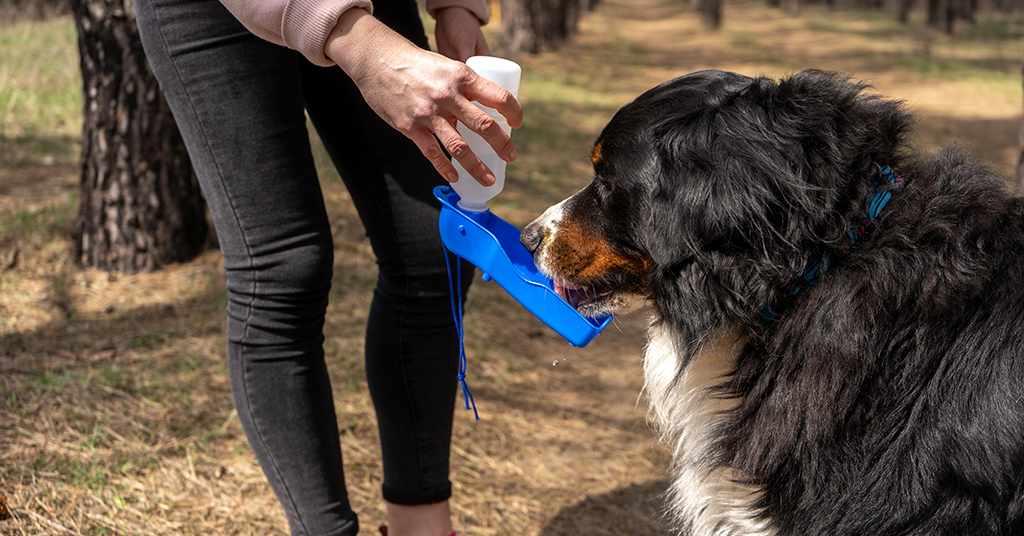
Keep fresh, clean water available at all times and wash bowls regularly to encourage drinking. Here are a few more ways to support healthy hydration:
- Place extra water bowls in different rooms or on each floor of your home
- Bring a portable bowl and water bottle on walks, hikes, and car rides
- Schedule exercise for cooler morning and evening hours in summer
- Offer frequent rest breaks in the shade during outdoor activities
- Never leave your dog in a parked car, even with the windows cracked
- Ask your veterinarian whether adding moist food makes sense for your dog’s diet
When Routine Care Plays a Role
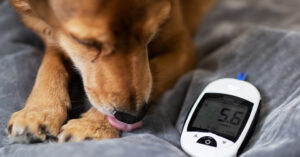
Changes in how much your dog drinks can be an early clue to illness. Noticeably increased thirst may signal kidney disease or diabetes, while a sudden drop in drinking can point to pain or nausea. Mention any shift in drinking or urination at your dog’s next visit, or call sooner if the change is sudden. Tracking these habits is a simple way to spot dog dehydration risks early. Regular wellness exams and senior bloodwork help catch conditions that raise the risk of dog dehydration before they become serious. If your dog has a chronic illness, your veterinarian can explain how to monitor their hydration as part of their ongoing care plan.
Hydration Help From Your Port Hadlock Veterinary Team
Dog dehydration can start quietly and progress faster than many owners expect, especially when vomiting, diarrhea, heat, or illness is involved. Knowing the warning signs and building simple prevention habits into your routine gives your dog the best protection. When something seems off, a quick call to your veterinarian is always the right move, since early care for dog dehydration is simpler and more effective than waiting. Chimacum Valley Veterinary Hospital provides compassionate, comprehensive care for dogs in Port Hadlock, Chimacum, Port Townsend, and nearby Olympic Peninsula communities. From urgent concerns to routine wellness visits, our team is here to help your dog stay healthy and active. If you are worried about dog dehydration or notice changes in your pet’s drinking habits, call us at (360) 385-4488 to schedule an appointment.