
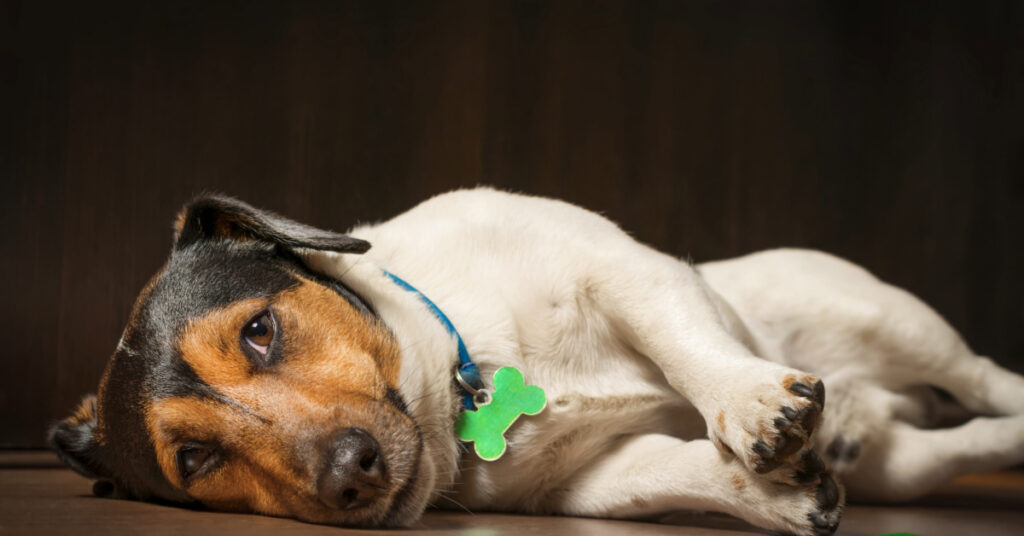
Dogs throw up for many reasons, some minor, some serious, and the cause makes all the difference in how you should respond. A dog eating grass and vomiting once is a very different situation from a dog who can’t keep anything down, and knowing how to tell them apart starts with understanding what’s actually going on in your dog’s body. From dietary indiscretion to underlying health conditions, the list of potential culprits is longer than most pet owners expect. Read on to learn the six most common reasons dogs vomit, how to recognize warning signs that need immediate attention, and what your veterinarian will look for when tracking down the cause.
What Does It Mean When a Dog Throws Up?
When a dog vomits, the body is forcefully expelling the contents of the stomach or upper small intestine. This is an active process. You’ll notice your dog retching, heaving, or showing abdominal contractions before vomiting occurs. This distinguishes vomiting from regurgitation, which is a passive process where undigested food simply flows back up without warning.
Vomiting vs. Regurgitation: Why the Difference Matters
- Vomiting involves active heaving and typically brings up digested or partially digested food, bile, or foam
- Regurgitation happens suddenly, without warning, and produces tubular-shaped undigested food
- Regurgitation may point to esophageal issues, while vomiting more often involves the stomach or intestines
If you’re unsure which your dog is experiencing, a video taken at home can be incredibly helpful when you visit Chimacum Valley Veterinary Hospital.
6 Common Reasons Dogs Throw Up
Dietary Indiscretion
The most common reason a dog throws up? They ate something they shouldn’t have. Dogs are notorious scavengers, and eating garbage, table scraps, spoiled food, or even grass can irritate the stomach lining and trigger vomiting. This is often referred to as “garbage gut,” and while it’s usually self-limiting, it can sometimes lead to more serious gastrointestinal issues.
Eating Too Fast
Some dogs inhale their meals so quickly that their stomach becomes overwhelmed. When a dog eats too fast, they also swallow excess air, which can cause bloating and prompt the body to vomit. If your dog consistently throws up shortly after eating, this could be the culprit.
Food Intolerances or Allergies
A dog throwing up repeatedly after meals may have a sensitivity to an ingredient in their food. Common triggers include certain proteins, grains, or additives. Unlike a sudden dietary change, food intolerances tend to cause chronic or recurring vomiting rather than a one-time episode.
Gastrointestinal Infections
Bacterial, viral, or parasitic infections can all cause a dog to vomit. Parvovirus, for example, causes severe vomiting and diarrhea in unvaccinated dogs, particularly puppies, and requires emergency veterinary care. Intestinal parasites like roundworms or giardia are also common culprits behind dog vomiting, especially in younger animals or those with outdoor exposure.
Foreign Body Ingestion
Dogs explore the world with their mouths, which means toys, socks, bones, sticks, and other objects sometimes end up where they don’t belong. A swallowed foreign object can cause partial or complete intestinal obstruction, leading to persistent vomiting that won’t resolve on its own. This is a veterinary emergency.
Signs that your dog may have swallowed something include:
- Repeated vomiting that doesn’t improve
- Loss of appetite or refusing water
- Lethargy, hunched posture, or abdominal pain
- Straining to defecate or producing no stool
Underlying Health Conditions
Chronic or frequent dog vomiting can be a sign of an underlying medical issue. Conditions such as pancreatitis, kidney disease, liver disease, Addison’s disease, and inflammatory bowel disease (IBD) are all known to cause recurring vomiting in dogs. If your dog is throwing up regularly, even if they seem otherwise normal, a veterinary workup is important to rule out systemic causes.
Why Is My Dog Throwing Up Yellow Foam or Bile?
A dog vomiting yellow foam or bile is a common and understandably alarming sight. This typically occurs when a dog’s stomach is empty, and bile from the small intestine backs up into the stomach, causing irritation. It often happens in the early morning or late at night before a meal.
This is sometimes called “bilious vomiting syndrome” and can be associated with long gaps between meals, acid reflux in dogs, or dietary habits. However, a dog throwing up bile repeatedly or alongside other symptoms warrants a veterinary visit. Our team at Chimacum Valley Veterinary Hospital can help determine whether your dog’s vomiting is a simple feeding schedule issue or something more involved.
When Should You Be Concerned About a Dog Vomiting?
Not every vomiting episode requires an emergency vet visit, but some situations absolutely do. Knowing when to act fast can be the difference between a routine exam and a critical intervention.
Seek veterinary care immediately if your dog:
- Vomits repeatedly (more than 2-3 times in a short period)
- Has blood in the vomit (red or coffee-ground appearance)
- Has a distended or painful abdomen
- Appears weak, disoriented, or collapses
- Has ingested a known toxin or foreign object
- Is a puppy with no vaccination history
Even if your dog seems fine after vomiting once, calling your veterinarian is never a bad idea. It’s always better to get professional guidance than to wait and wonder.
How Does a Vet Diagnose the Cause of Dog Vomiting?
When you bring your dog to Chimacum Valley Veterinary Hospital for a vomiting concern, your veterinarian will start with a thorough physical examination and a detailed history. Be prepared to share information about:
- When the vomiting started and how often it’s occurring
- What the vomit looks like (color, consistency, contents)
- Your dog’s recent diet and any changes
- Whether your dog could have ingested something unusual
- Any other symptoms you’ve noticed, such as diarrhea, lethargy, or changes in appetite
From there, diagnostics may include bloodwork, urinalysis, fecal testing, X-rays, or ultrasound, depending on what the exam findings suggest. In some cases, endoscopy may be recommended to visualize the stomach and intestinal lining directly.
What to Bring to Your Vet Appointment
- A list of everything your dog has eaten in the past 24-48 hours
- A photo or video of the vomiting episode if possible
- A sample of the vomit if you can safely collect it (in a sealed bag)
- Any medications or supplements your dog is currently taking
Your Dog’s Stomach Deserves Expert Attention
A dog that throws up once and bounces back quickly is usually not a major concern. But chronic dog vomiting, vomiting with blood, or a dog that vomits and is clearly unwell needs to be seen by a veterinarian. Our caring team at Chimacum Valley Veterinary Hospital in Port Hadlock, WA is here to help you get to the bottom of what’s going on and get your dog feeling their best again. If your dog is throwing up and you’re not sure what to do next, call us at (360) 385-4488 or book an appointment online today.